Developer Ecosystem Adoption: Brand Framing as Cognitive Compression
Branding in developer tools isn't just marketing decoration; it's part of how developers understand, remember, and adopt a product.


Developer ecosystem adoption doesn't happen solely because of technical features. Successful developer ecosystems create multiple layers that help people discover, understand, remember, and connect with a product or technology. One of these layers is brand framing: the collection of visual, linguistic, symbolic, and social cues that shape how developers perceive, remember, and explain a product.
Brand framing is built over time through many touchpoints. When approached intentionally, it can leave a persistent mark on how developers perceive a product.
At the core of brand framing, there is the mission statement, the product identity, and its positioning. Once you have a clear picture of the underlying message you want to spread (consciously and subconsciously), there are several ways to convey it in multiple subtle ways. Let’s explore those areas.
Visual framing
Visual identity and brand style guide are crucial for the cohesive design of product itself, and surrounding content like blog posts, developer newsletters, webinars, presentations, etc.
PostHog does this exceptionally well. Its visual identity combines bold illustrations, playful colors, and a consistent design patterns across the website, blog, documentation, and social media. Even without seeing the logo, developers can often recognize a PostHog article immediately thanks to repeated exposure to its consistently branded design language.
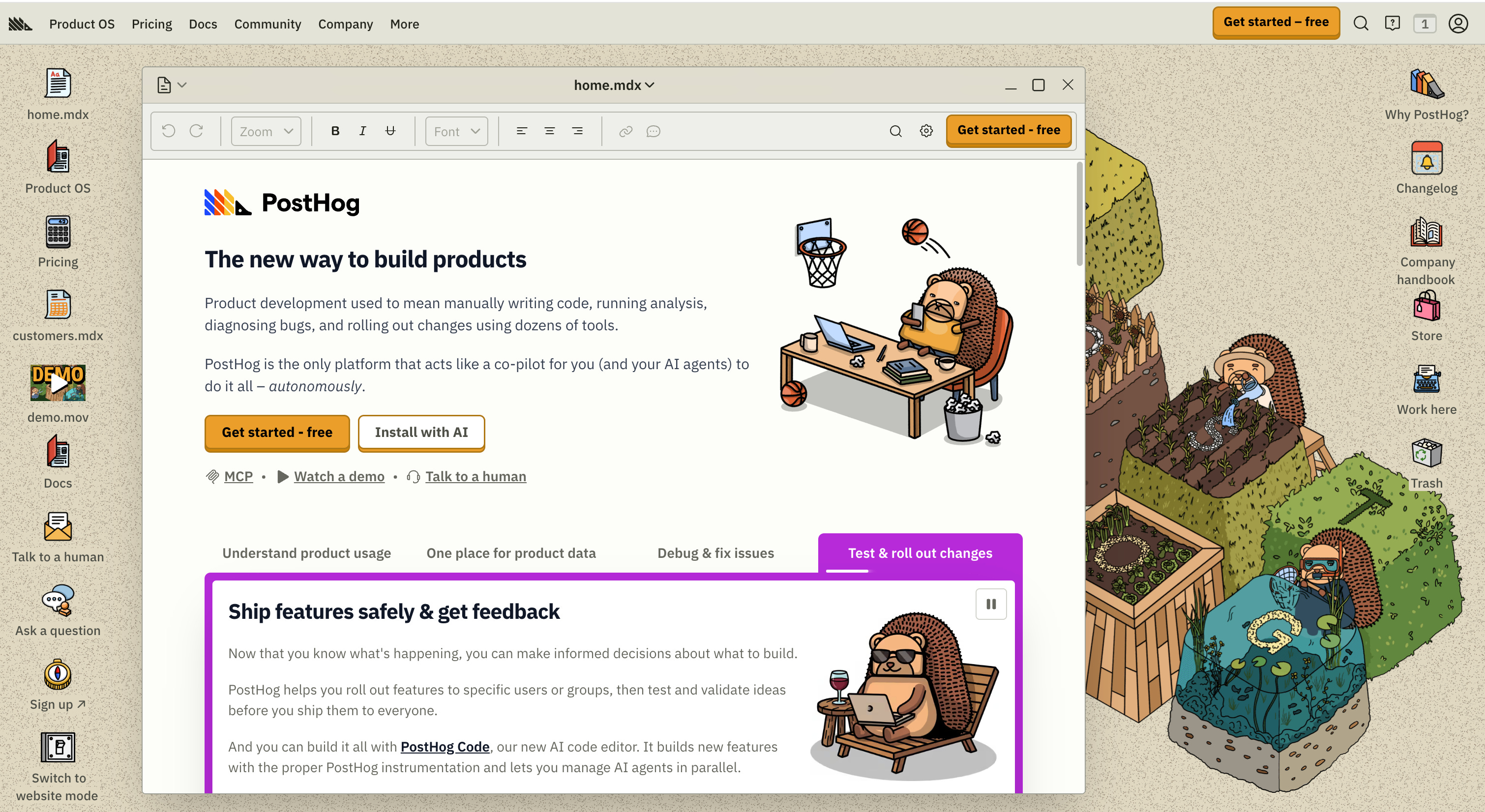
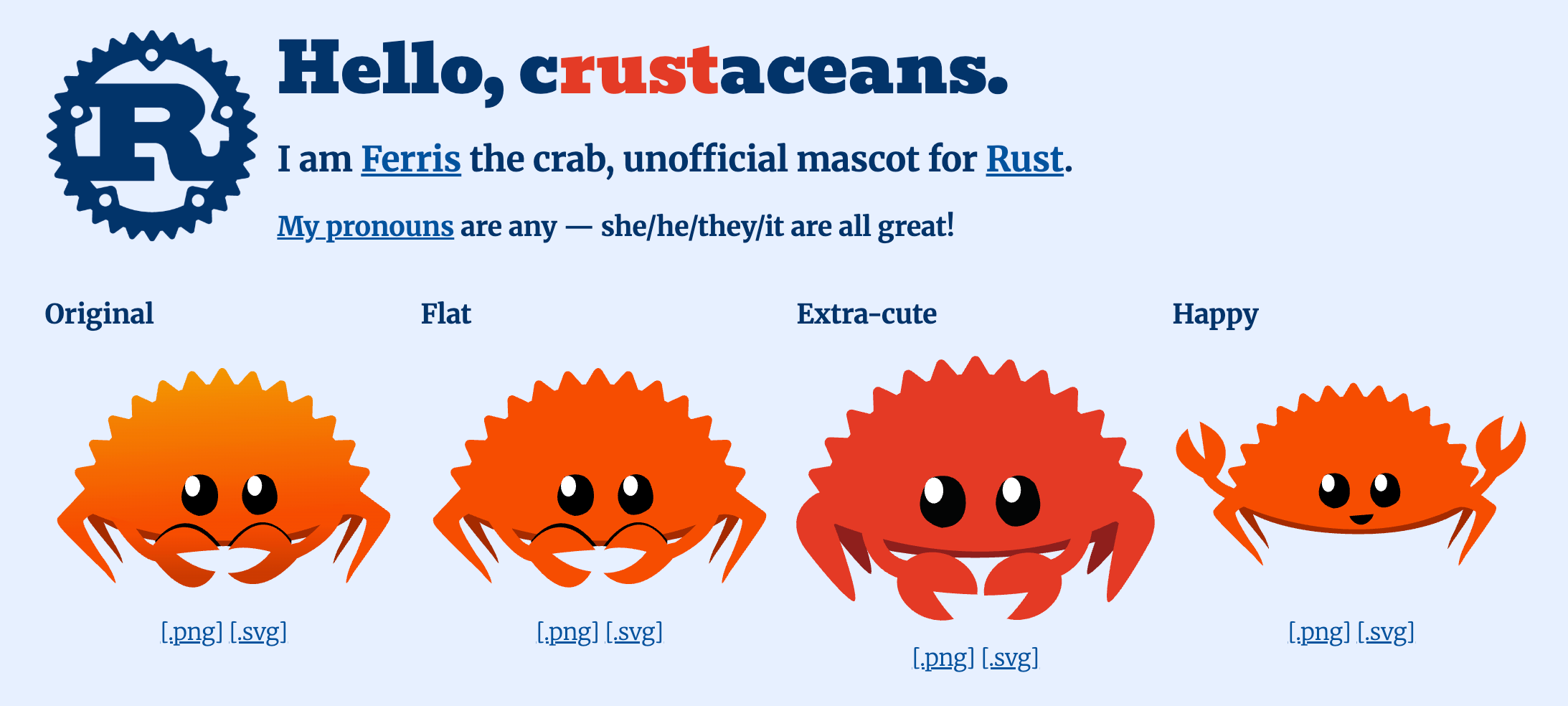
Symbols, such as mascots, play a similar role. Beyond PostHog hedgehog, think of Linux’s Tux penguin, GitHub’s Octocat, The Gopher, ElePHPant, Rust’s Ferris the crab, or Docker’s Whale. These mascots become mental shortcuts for entire ecosystems.
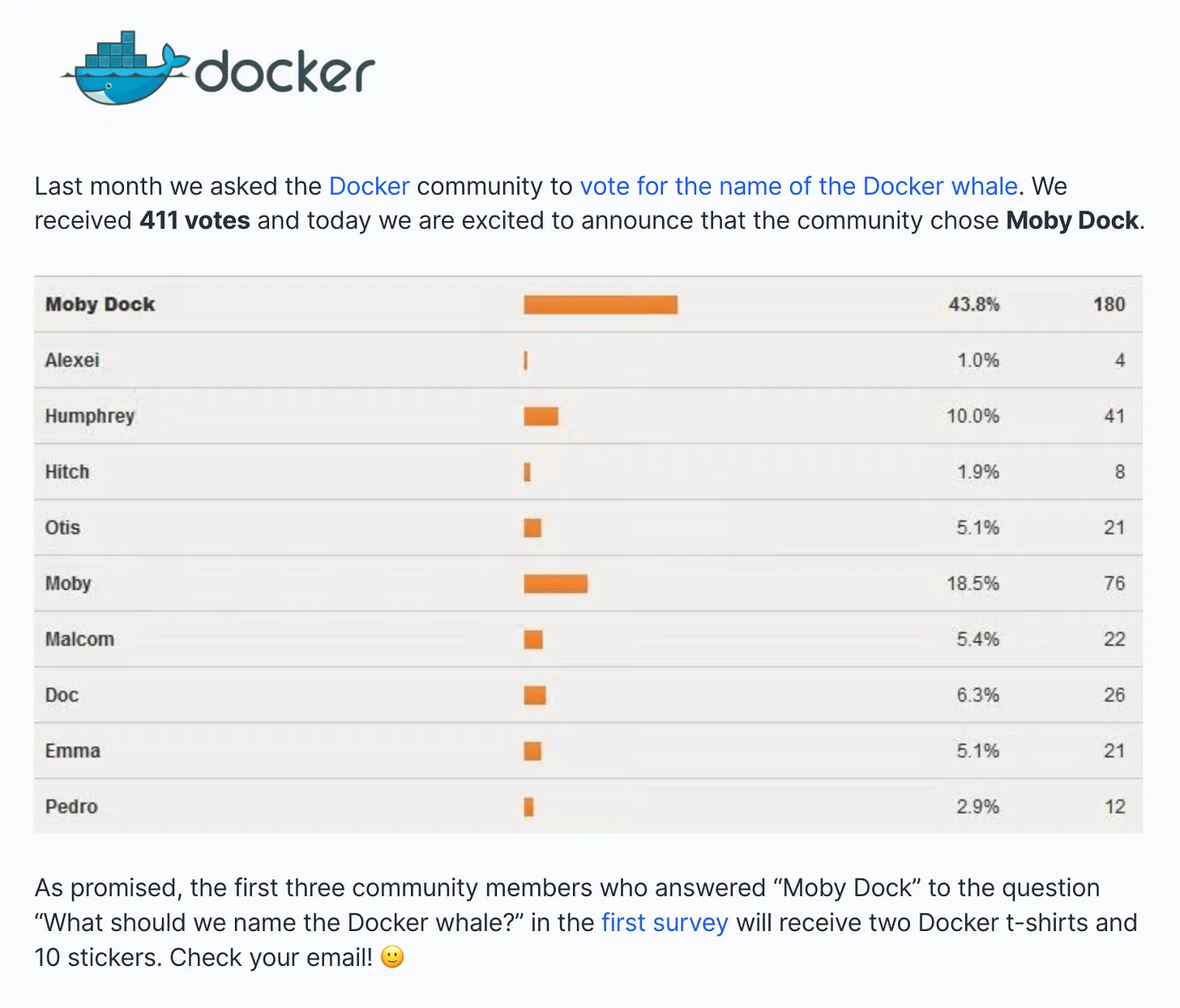
Docker’s whale is an especially interesting example. It was later named “Moby Dock” through a community vote, illustrating how visual branding naturally connects with the social layer of developer adoption.
Linguistic framing
Language is another powerful framing mechanism. A consistent and recognizable brand voice helps products feel familiar. Slack, for example, became known for release notes written in a relaxed, conversational tone that mirrors the product's approachable personality. That tone reinforces the company’s broader personality and creates a cohesive experience across the product.
Naming conventions also reinforce identity. macOS releases such as Sierra, Sequoia, and Tahoe continue Apple's tradition of drawing inspiration from California. Claude's models (Haiku, Sonnet, and Opus) follow another thoughtful versioning convention. They reference increasingly sophisticated forms of writing, mirroring the increasing capabilities of the models themselves. Since these are language models, the naming directly reflects the product's core purpose.
Metaphors are equally important. Software is full of concepts like branches, pipelines, containers, streams, and trees because metaphors help people understand abstract systems.
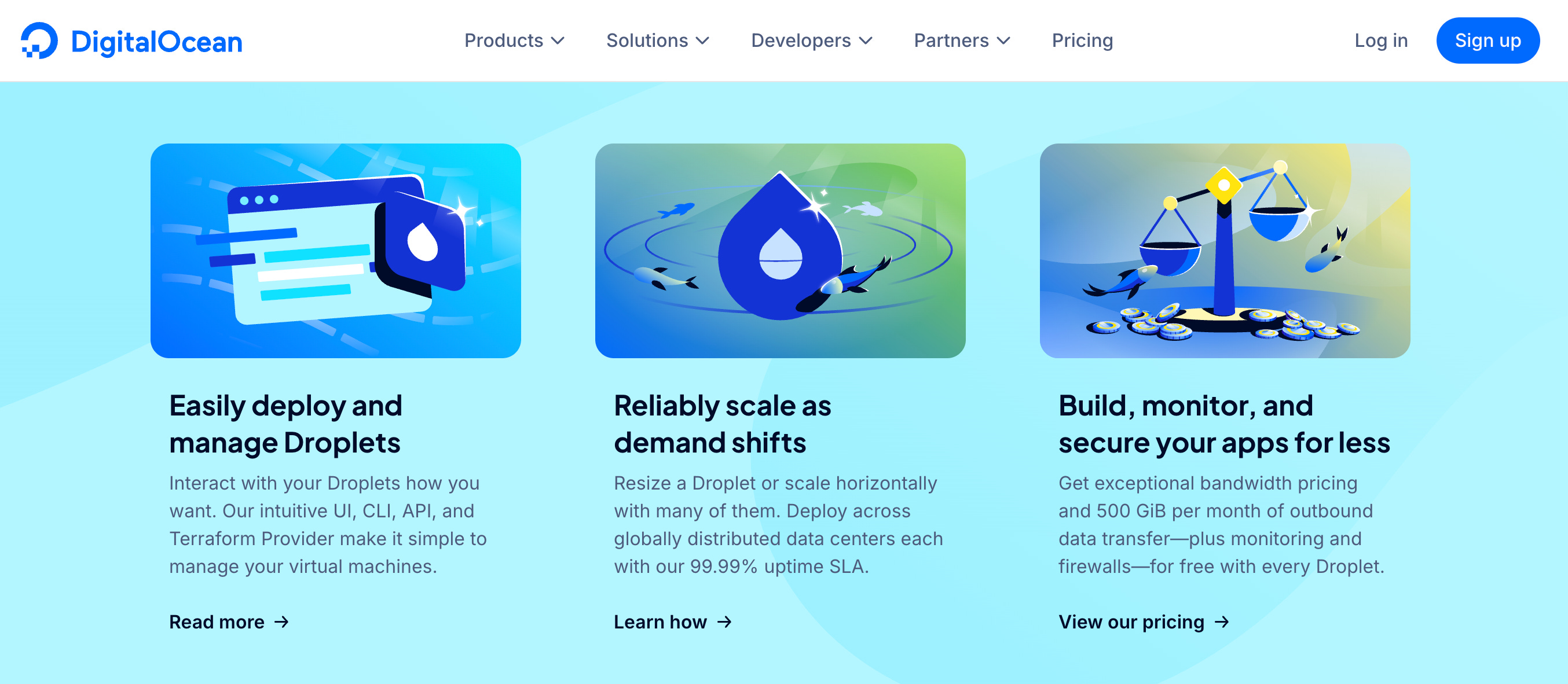
Brands often build entire identities around these metaphors. DigitalOcean’s “Droplets” or Docker’s “Containers” don’t simply sound memorable. They make unfamiliar concepts easier to grasp. When combined with visual identity, naming, and symbols, these metaphors reinforce one another and reduce the effort required to understand the product.
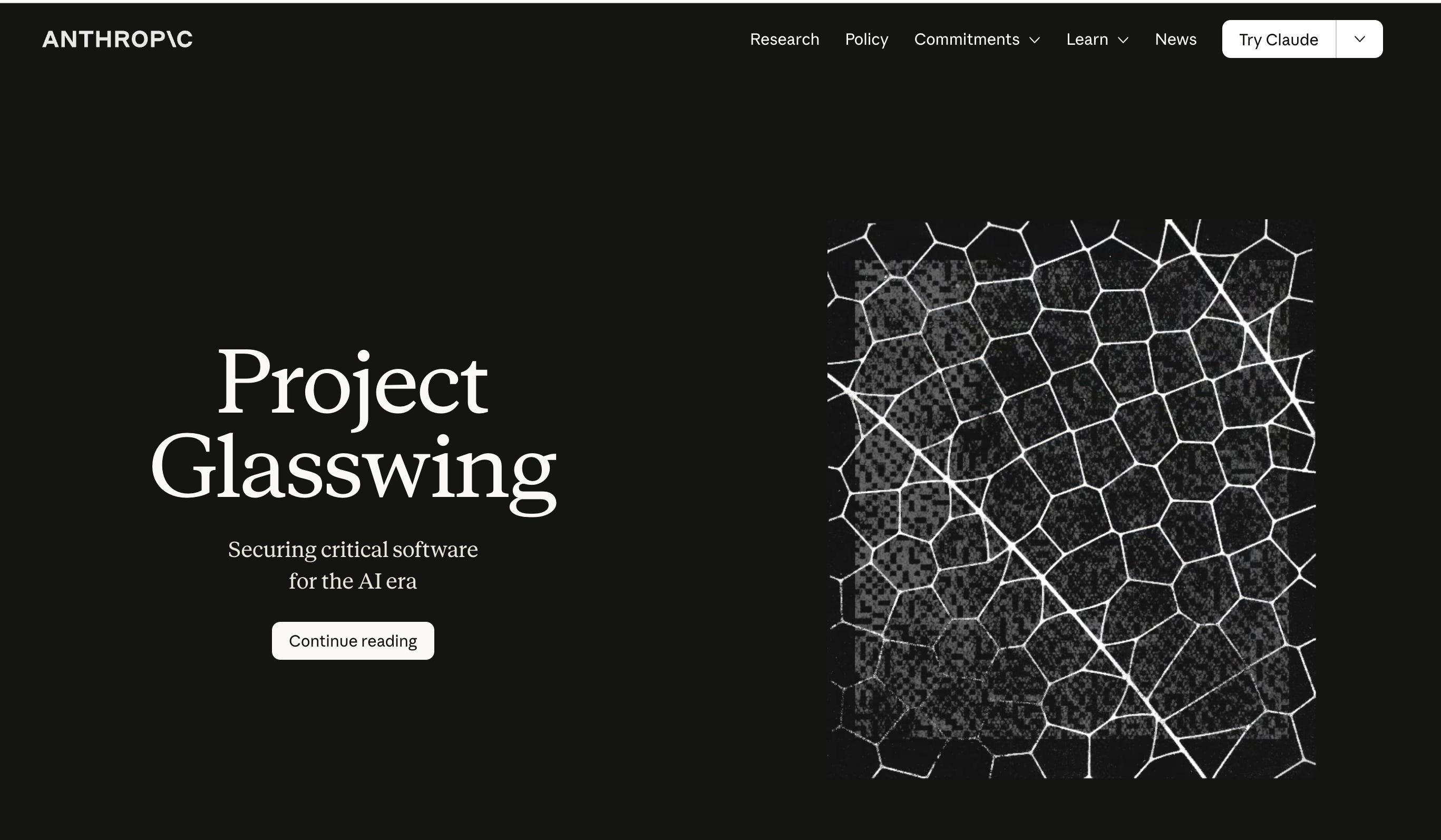
Finally, mature ecosystems often develop myths. As communities become more engaged, stories, speculation, and anticipation begin spreading independently of official marketing. Rumors about unreleased features, secret projects, or mysterious future plans become part of the product’s identity. A recent example is the developer speculation surrounding Claude Mythos. Long before its official public release, the name itself generated discussion, theories, and anticipation. The narrative became part of the ecosystem. The "Glasswing" codename also naturally evokes transparency and delicacy, adding another layer for the community to interpret and discuss.
Eventually, branding becomes social. Developers begin associating part of their professional identity with a particular ecosystem. The visual identity, mascots, language, and shared references all contribute to a sense of belonging.
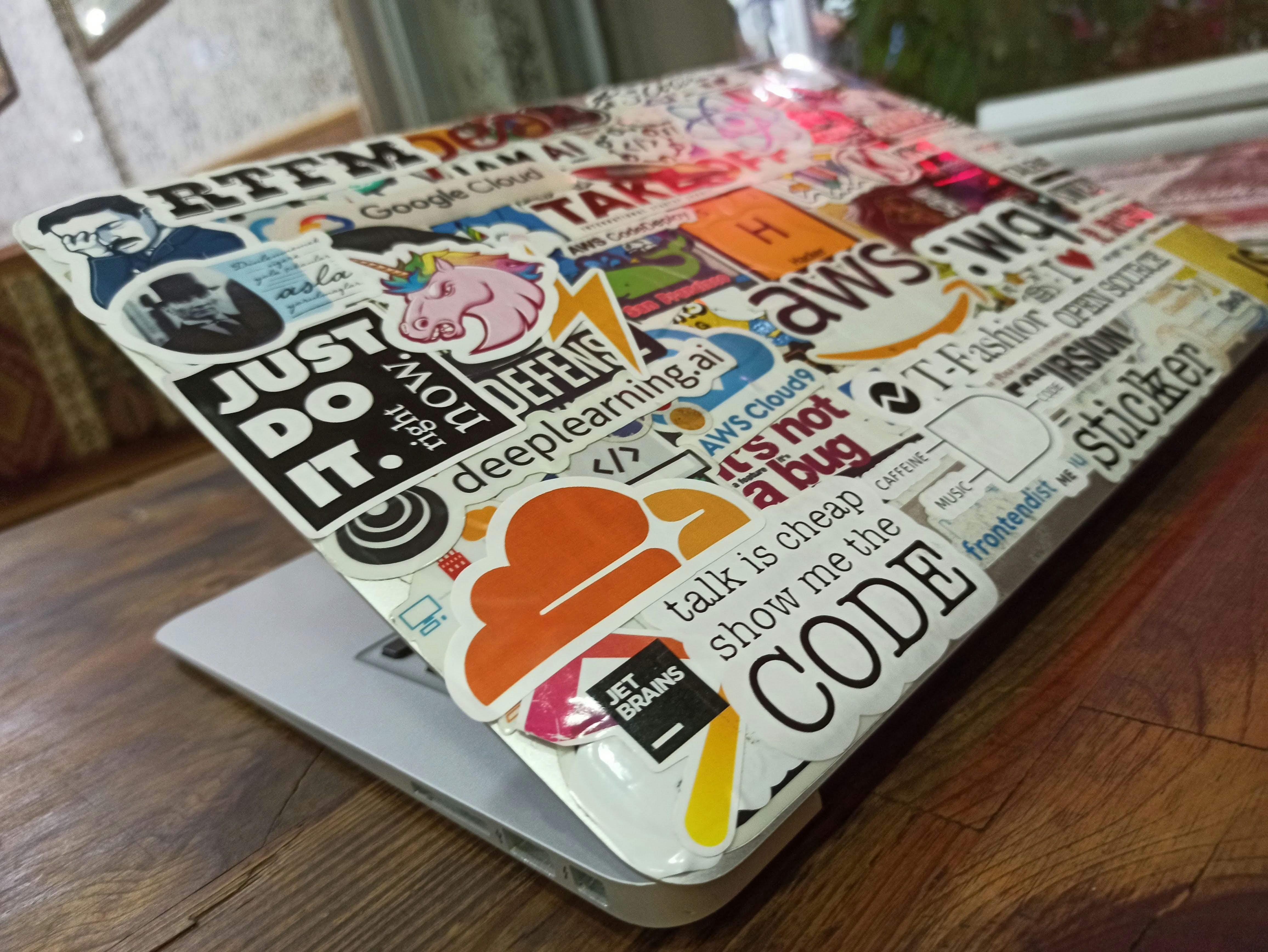
Think about laptop stickers. Developers proudly cover their devices with logos from technologies they identify with. Those stickers aren’t just decoration; they communicate membership within communities and reinforce shared identity. I’d even say these become symbols of tribe and belonging.
Another layer of brand framing is the creation of immersive experiences that reinforce the product’s identity. I talked about this topic in more detail in the following article:

Beyond branding
But brand framing is so much more than just recognition or emotional connection. Many of these elements directly reduce developers’ cognitive effort.
First and foremost, a distinctive visual identity makes products easier to recognize. Consistent terminology reduces ambiguity. On top of that, metaphors help developers build accurate mental models and memorable naming improves recall. Finally, symbols and mascots compress complex ecosystems into instantly recognizable representations with rich associations.
These effects compound over time. When developers can quickly identify, understand, remember, and explain a product, they become more likely to adopt it themselves and to recommend it to others. That's why brand framing matters: when done well, it compresses information into memorable mental shortcuts.
Brand framing therefore isn’t separate from developer adoption. It is one of the mechanisms that makes adoption easier. Like every other adaptation layer in a successful developer ecosystem, its ultimate goal is to make it easier for humans to understand, remember, and ultimately share.